
Kim Jong-un unveils new missile move as North Korea announces more powerful engine test
North Korean leader Kim Jong-un personally oversaw the test of a new high-thrust solid-fuel engine designed to strengthen the country’s weapons capability. Pyongyang described the launch as a major step for its strategic military power.
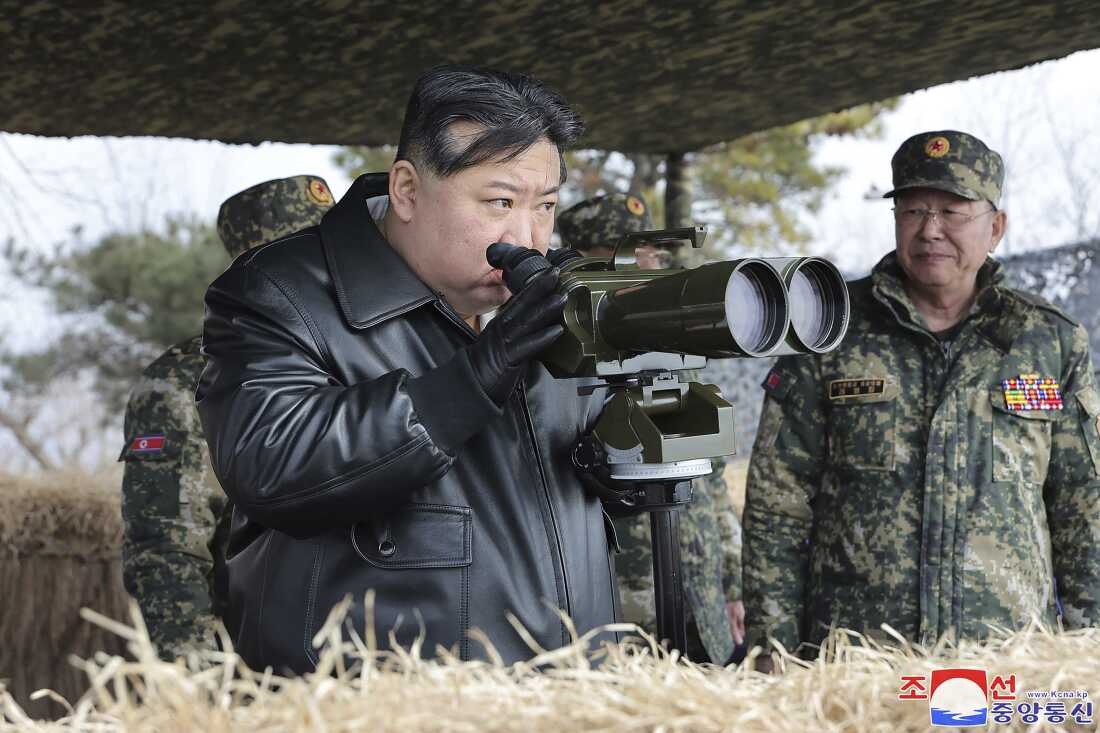
North Korea has claimed it has crossed another threshold in its weapons programme. According to state media, leader Kim Jong-un attended the test of an upgraded high-thrust solid-fuel engine and described it as an important advance in boosting the country’s strategic military capability. The announcement signalled that Pyongyang is still pursuing more agile, harder-to-detect missile systems capable of targeting the United States and its allies.
The test focused on a new high-thrust engine
According to the Korean Central News Agency, Kim Jong-un observed a ground test of the engine, which was made using composite carbon fibre material. State media said the engine’s maximum thrust reached 2,500 kilotons.
Pyongyang also noted that a similar solid-fuel engine test conducted in September had been reported at about 1,970 kilotons, suggesting the latest trial represented a stronger capability.
“Strategic strike means” highlighted
North Korea said the test was part of its five-year arms development plan. In the official statement, the programme was described as an effort to upgrade the country’s “strategic strike means”.
That phrase is widely understood to refer to ballistic missiles capable of carrying nuclear warheads and other strategic weapons systems.
Kim Jong-un says it marks a major military advance
State media reported that Kim Jong-un called the latest engine test highly significant in raising the country’s strategic military strength to a higher level. However, no details were given on the exact date or location of the test.
Experts respond with caution
North Korea’s announcement has not been accepted without question abroad. Some experts argued that Pyongyang may be overstating the scale of the achievement and pointed to missing technical details in the report.
Lee Choon Geun, an honorary research fellow at South Korea’s Science and Technology Policy Institute, said the absence of key information such as the engine’s total combustion time raised doubts and suggested the latest claim could be exaggerated.
Expected missile launch after earlier test never came
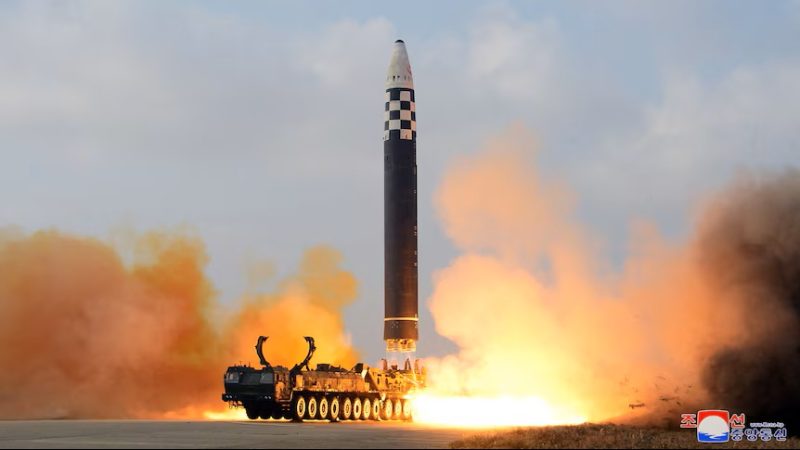
After its September announcement, North Korea had described that solid-fuel engine trial as the ninth and final ground test for a system it previously said would be used in intercontinental ballistic missiles. At the time, observers expected Pyongyang to soon conduct an ICBM launch using that engine, but no such launch followed.
That has led to speculation that the programme may have faced delays or that North Korea chose to pursue a more advanced engine instead.
Russian assistance speculation grows
Some analysts believe North Korea may have received technical help from Russia in developing the newer engine. Military cooperation between the two countries has deepened in recent years, with Pyongyang reportedly sending troops and conventional weapons to support Russia’s war in Ukraine.
Goal appears to be harder-to-detect missiles
Solid-fuel systems are considered strategically important because, unlike liquid-fuel missiles, they can be prepared and launched more quickly and are much harder to detect before liftoff. Analysts say more powerful and efficient solid-fuel engines could allow North Korea to build smaller intercontinental missiles.
Such missiles could potentially be launched from submarines or from land-based mobile launcher trucks. Other observers believe the push for greater engine power may also be linked to efforts to place multiple warheads on a single missile and improve the chances of overwhelming US missile defences.
Hardline nuclear course after failed Trump diplomacy
North Korea has accelerated efforts to expand its nuclear arsenal since Kim Jong-un’s high-profile diplomacy with US President Donald Trump collapsed in 2019. At the ruling Workers’ Party congress in February, Kim left the door open to dialogue with Trump but urged Washington to abandon demands for North Korean nuclear disarmament as a condition for talks.