
Netanyahu says Israel accepted ceasefire, but vows forces will stay in Lebanon
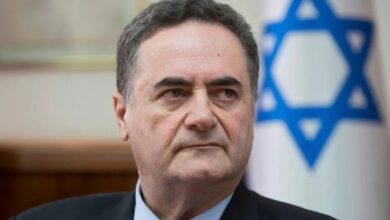
Israeli Prime Minister Benjamin Netanyahu said Israel had agreed to a 10-day temporary ceasefire with Lebanon, but made clear that Israeli troops would not withdraw from Lebanese territory. His statement underscored that while fighting may pause, the deeper confrontation is far from over.
The announcement of a 10-day temporary ceasefire between Israel and Lebanon raised hopes of a brief drop in tensions, but Netanyahu’s latest remarks showed just how fragile the situation remains. The Israeli prime minister confirmed that Israel had accepted the pause, yet at the same time declared that Israeli forces would stay in Lebanon. By combining talk of a possible peace track with blunt warnings about security control on the ground, Netanyahu signaled that any diplomatic opening will come with hard conditions and continued military pressure.
Netanyahu says there is a new opening
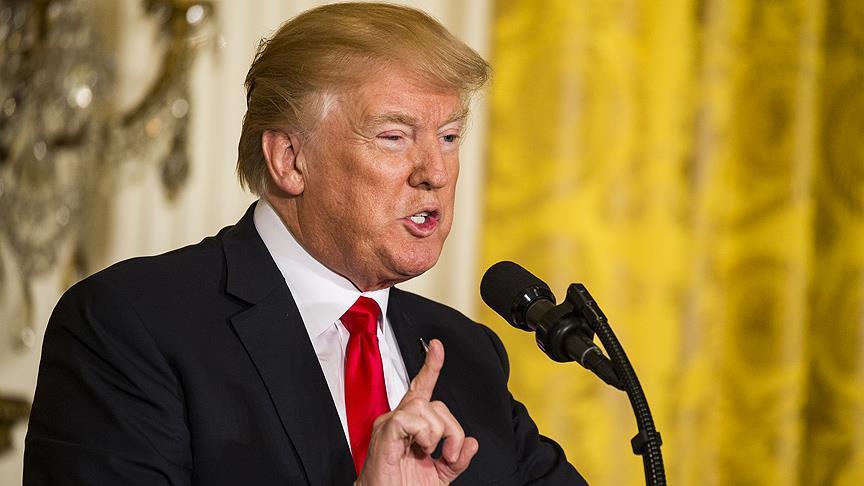
Speaking after the temporary ceasefire agreement with Lebanon, Netanyahu said a wider diplomatic opportunity may now be on the table. He pointed to a possible role for US President Donald Trump in pushing the process forward and said Trump was considering inviting both him and the Lebanese president for talks.
Netanyahu said, “There is an opportunity before us for a historic peace agreement with Lebanon. President Trump intends to invite me and the president of Lebanon in order to advance this agreement.”
He links the moment to Israel’s military position
Netanyahu argued that this diplomatic opening emerged because Israel had shifted the balance of power in Lebanon. He claimed that over the past month, calls had started coming from Lebanon for direct peace talks, something he described as highly unusual after decades of hostility.
Netanyahu said, “The balance changed so dramatically that over the past month we began receiving calls from Lebanon for direct peace talks. This is something that has not happened in more than 40 years. I responded to that call and agreed to a pause, or more precisely a 10-day temporary ceasefire, in order to advance the agreement that we began discussing at the ambassadors’ meeting in Washington.”
Two main demands are on the table
The Israeli prime minister said Israel had two core demands for any broader agreement. According to Netanyahu, the first is the disarmament of Hezbollah, and the second is a sustainable peace deal based on what he described as the principle of “peace through strength.”
He also said Hezbollah had insisted on two conditions in order to reach the ceasefire. Netanyahu stated, “The first was a full Israeli withdrawal from all Lebanese territory up to the international border. The second was a ceasefire based on a model of mutual inaction. I did not accept either of those, and indeed neither of those conditions is being met.”
“We are there and we are not going anywhere”
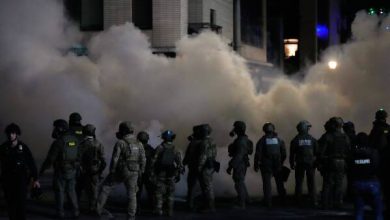
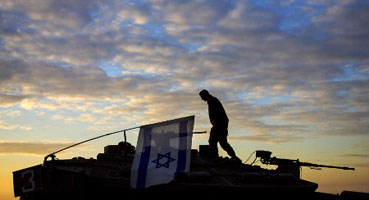
The sharpest part of Netanyahu’s remarks came when he addressed the Israeli military presence in Lebanon. He said Israeli forces would remain in place and even described a broader security buffer that stretches across multiple strategic points.
Netanyahu said, “This is a security buffer that begins from the sea and extends to Mount Dov, from there to the foothills of Mount Hermon and the Syrian border. This 10-kilometer-deep security belt is stronger, denser, more continuous and more solid than before. We are there and we are not going anywhere. This allows us first and foremost to prevent the danger of attacks on our communities, and secondly to prevent direct anti-tank fire from those areas. Our citizens are now protected from these two threats. Of course, problems remain. They still have rockets. As we move toward a security agreement and a permanent peace agreement, we will also have to deal with those.”
He points to talks with Trump
Netanyahu also said he had spoken with US President Donald Trump over the past two days. According to him, those talks were not limited to Lebanon and also touched on Iran and broader regional security issues.
Netanyahu said, “He told me that he is extremely determined to continue the naval blockade and to eliminate whatever remains of Iran’s nuclear capacity. He is not backing away from that. He is confident that by continuing the great things we have achieved together, he can remove this threat completely. Of course, we will also address the missile threat and enrichment capacity. I will not go into detail on that. These are two very important moves that could fundamentally change our security and diplomatic situation for years to come.”
Ceasefire declared, but uncertainty remains
Netanyahu’s comments made clear that the 10-day ceasefire does not amount to a full de-escalation on the ground. His insistence that Israeli forces will stay in Lebanon, together with his demand that Hezbollah be disarmed, suggests that the next phase will be shaped by both diplomacy and continued confrontation.
The fighting may have paused for now, but the conditions laid out by Israel show that the road ahead remains tense, uncertain and politically loaded.