
Trump trade war hits Volkswagen as profits plunge 53%
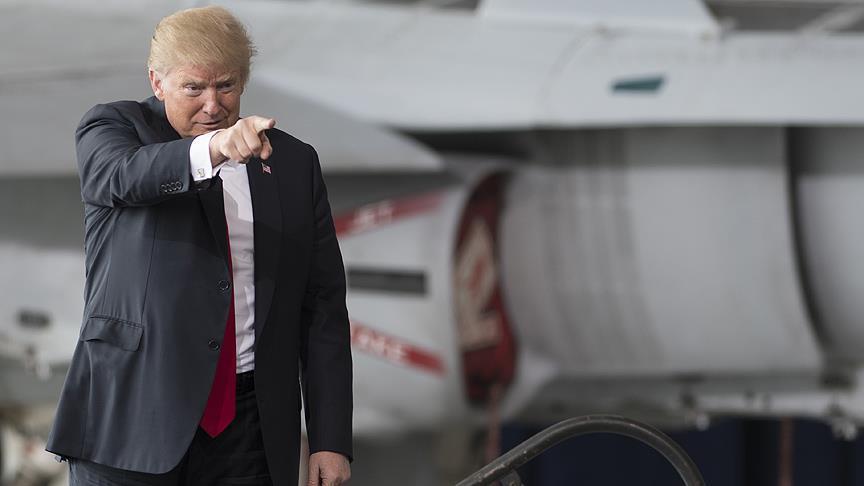
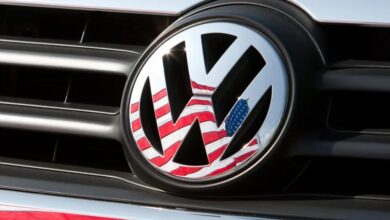
U.S. President Donald Trump’s trade tariffs are putting pressure on Volkswagen’s global strategy. The German automaker reported a 53.5% drop in operating profit, falling to €8.9 billion.
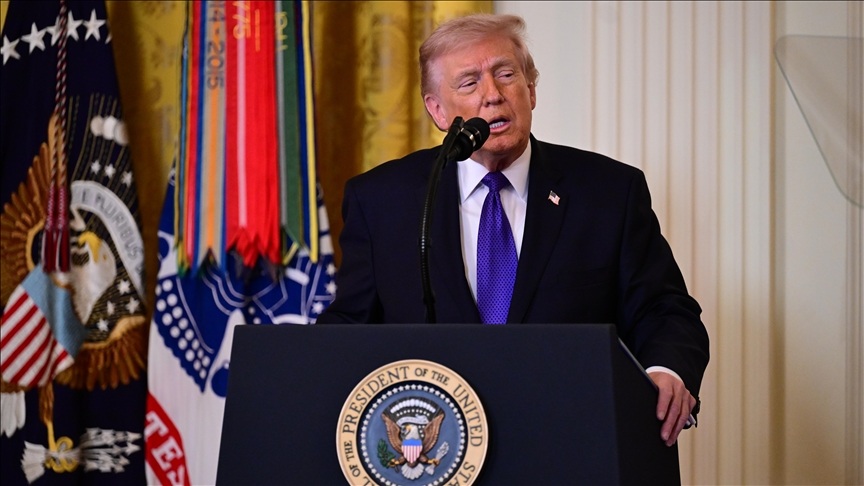
The escalating trade tensions triggered by U.S. tariffs are weighing heavily on Volkswagen, one of the world’s largest car manufacturers. According to the company’s 2025 financial results, operating profit fell sharply by 53.5 percent to €8.9 billion. CEO Oliver Blume attributed the company’s worst performance in a decade to Trump’s tariffs, fierce competition in China, and strategic changes at luxury brand Porsche.
Mexico production strategy under pressure
For decades, Volkswagen relied on a global supply chain that included large-scale production in Mexico, where lower costs and a free trade agreement allowed vehicles to be exported easily to the United States.
However, Trump’s 27.5 percent tariff on goods from Mexico has disrupted that model.
“We have a strong localized footprint in Mexico. It’s no longer worthwhile to export vehicles from Mexico to the U.S.,” Blume said during a media briefing.

Porsche also exposed to tariffs
Volkswagen’s luxury subsidiary Porsche has also been affected. Because Porsche vehicles are produced entirely in Europe, they face the full impact of U.S. tariffs when entering the American market.
As a result, Volkswagen now expects its revenue this year to remain flat or grow by no more than 3 percent.
“We are operating in a fundamentally different environment,” Blume said.
Rising competition from Chinese automakers
With the United States imposing steep tariffs on Chinese vehicles and banning connected cars, Chinese automakers are increasingly turning toward Europe for growth.
Volkswagen is now facing mounting competition from Chinese brands in its key European market.
“We will need to do more because our costs are still too high in Europe,” Blume said. “Chinese brands see huge business potential in Europe, so we have to fight back.”
Challenges in China
The company is also struggling in China, once its largest market and revenue source. The rapid shift toward electric vehicles and growing preference for domestic brands among Chinese consumers have weakened Volkswagen’s position.
To regain ground, Volkswagen plans to launch new electric vehicle models in China this year.
Job cuts in Germany
Slowing growth has forced the company to implement significant cost-cutting measures. In 2024, Volkswagen announced plans that resulted in the loss of 35,000 jobs and the closure of German factories for the first time in the company’s history.
The number of job cuts in Germany is now expected to reach 50,000 by 2030, affecting multiple brands within the group, including Audi and Porsche.
Defense sector could offer opportunity
One possible opportunity could emerge from the European Union’s push to expand defense production. With weakening demand in the automotive sector, manufacturers may use their mass-production capabilities to support the defense industry.
Blume said discussions are ongoing with defense companies regarding the future of Volkswagen’s Osnabrück factory.