

Election shock in Japan: Sanae Takaichi heads for landslide victory
Early election results in Japan indicate that the ruling coalition led by Prime Minister Sanae Takaichi could secure a two-thirds majority in parliament. Despite harsh winter conditions on voting day, turnout remained notable across the country.
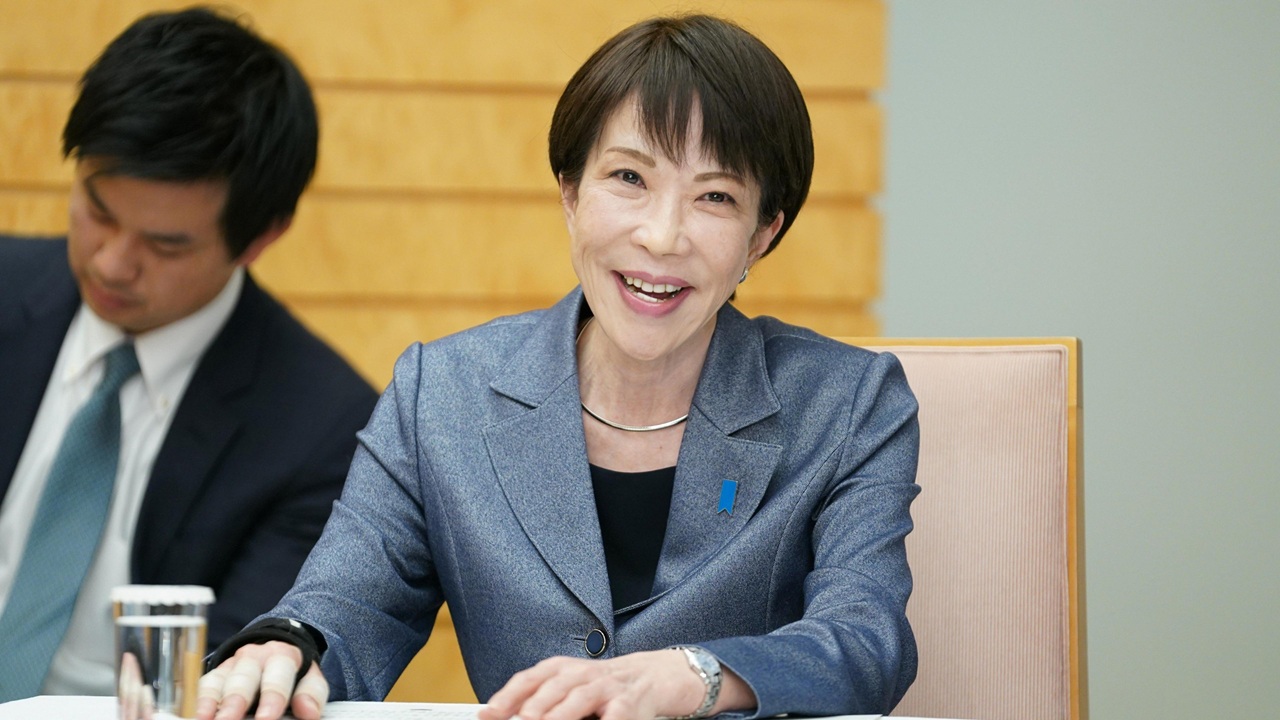
The first results from Japan’s snap election point to strong public backing for Prime Minister Sanae Takaichi, the country’s first female leader. Exit polls released by public broadcaster NHK suggest that the coalition led by the Liberal Democratic Party (LDP) is on track to reach a two-thirds majority in the House of Representatives. While vote counting continues, the emerging picture signals a major political comeback for the ruling bloc, which had lost its parliamentary majority in recent years.
A risky decision to call an early election
Takaichi called the snap election just four months after becoming party leader, seeking a clear public mandate. The move had been widely viewed as a political gamble, particularly after the party lost support under previous leaders due to corruption scandals and rising living costs.
However, early projections suggest that the strategy paid off. Exit polls indicate that the LDP alone could hold a parliamentary majority, strengthening Takaichi’s political standing.
Coalition could reach 366 seats
According to NHK projections, the LDP and its current coalition partner, the Japan Innovation Party, could secure as many as 366 of the 465 seats in the lower house. Such a result would place Takaichi in a powerful position, especially regarding her long-standing goal of revising Japan’s pacifist constitution.
Snow and travel disruptions on election day
Voting took place under difficult weather conditions in many parts of the country. Japan’s transport ministry reported that 37 train lines and 58 ferry routes were suspended, and 54 flights were cancelled. Rare snowfall in Tokyo accompanied voters heading to the polls.
Popularity and social media influence
Takaichi’s high approval ratings and active use of social media were also seen as key factors during the campaign. By sharing clips of her daily life and political activities, she attracted new followers, particularly among younger voters.
Analysts say her populist spending promises and nationalist rhetoric also energized segments of the electorate.
Opposition more unified but still trailing
During the campaign, opposition parties appeared more coordinated than in previous elections. The LDP’s former coalition partner Komeito joined forces with the Constitutional Democratic Party of Japan to form the largest opposition bloc in the lower house.
Economy and foreign policy remain key debates
Takaichi’s proposals to tighten immigration rules, review foreign ownership of land, and enforce tax and insurance compliance by foreign nationals were among the campaign’s central themes. Critics argue that such rhetoric risks creating division in a country where foreign nationals make up only about 3% of the population.
Economic policy also remains under scrutiny, with scepticism about whether increased spending and tax cuts can revive Japan’s sluggish economy while government debt remains high.
Foreign policy tensions, particularly with China, and the prospect of increased defence spending also remained major topics during the campaign.