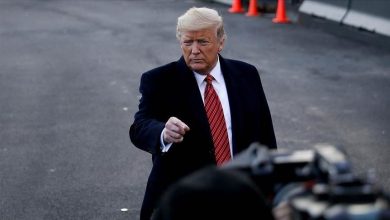

U.S. President Donald Trump has signed a new executive order designed to prevent Venezuelan oil revenues from being seized or used in judicial proceedings, arguing that such actions could jeopardize Washington’s economic and political objectives in Venezuela.
Order focuses on protecting funds
The executive order, made public on Saturday, states that allowing Venezuelan oil-related funds to be targeted in legal cases could “undermine critical U.S. efforts to ensure economic and political stability in Venezuela.” According to the administration, safeguarding these revenues is seen as essential to preserving leverage and maintaining influence over future developments in the country.
Oil executives warn over instability
The decision comes amid growing concern among major oil companies about Venezuela’s long-term viability as an investment destination. Executives have warned that persistent political turmoil, sanctions, and uncertainty continue to deter private capital.
Speaking during a meeting convened by Trump with senior energy executives on Friday, ExxonMobil CEO Darren Woods said Venezuela’s current environment makes meaningful investment impossible. “If we look at the commercial constructs and frameworks in place today in Venezuela, today it’s uninvestable,” Woods said.
Direct U.S. role emphasized
During the meeting, Trump sought to reassure industry leaders by stressing that any future engagement would involve direct dealings with the U.S. government rather than Venezuelan authorities. The message was intended to calm fears over legal risk, asset seizures, and unpredictable policy shifts.
Long-standing challenges in Venezuela
Venezuela’s oil sector has been battered for years by state asset seizures, sweeping U.S. sanctions, and decades of political instability. These factors have contributed to the collapse of production and left the country heavily reliant on external decisions over the fate of its energy revenues.